

The Problem
A 9th-floor Ottawa resident with mobility issues has no safe way to evacuate during emergencies. Stairs are out, elevators shut down in fires, and the building doesn’t allow structural modifications. We designed an emergency evacuation system that disguises as patio furniture.
Key Features
-
Patio Furniture Integration
The system is designed to blend with balcony furniture, remaining inconspicuous when not in use. -
Safe Descent Mechanisms
- Options include inflatable slides, crane-like lowering devices, and rail systems.
- Each concept prioritizes controlled descent and occupant stability.
-
Ease of Use and Reliability
- The system is weather-resistant and user-friendly, operable by a single individual in under a minute.
- Designed with off-the-shelf components for straightforward maintenance.
-
Safety Enhancements
Includes seatbelts, safety nets, and visual/audible alarms to ensure secure operation during emergencies.
Design Concepts
Four design solutions were explored:
- Inflatable Slide System: A foldable patio set transforms into an inflatable slide, providing a swift and cushioned descent.
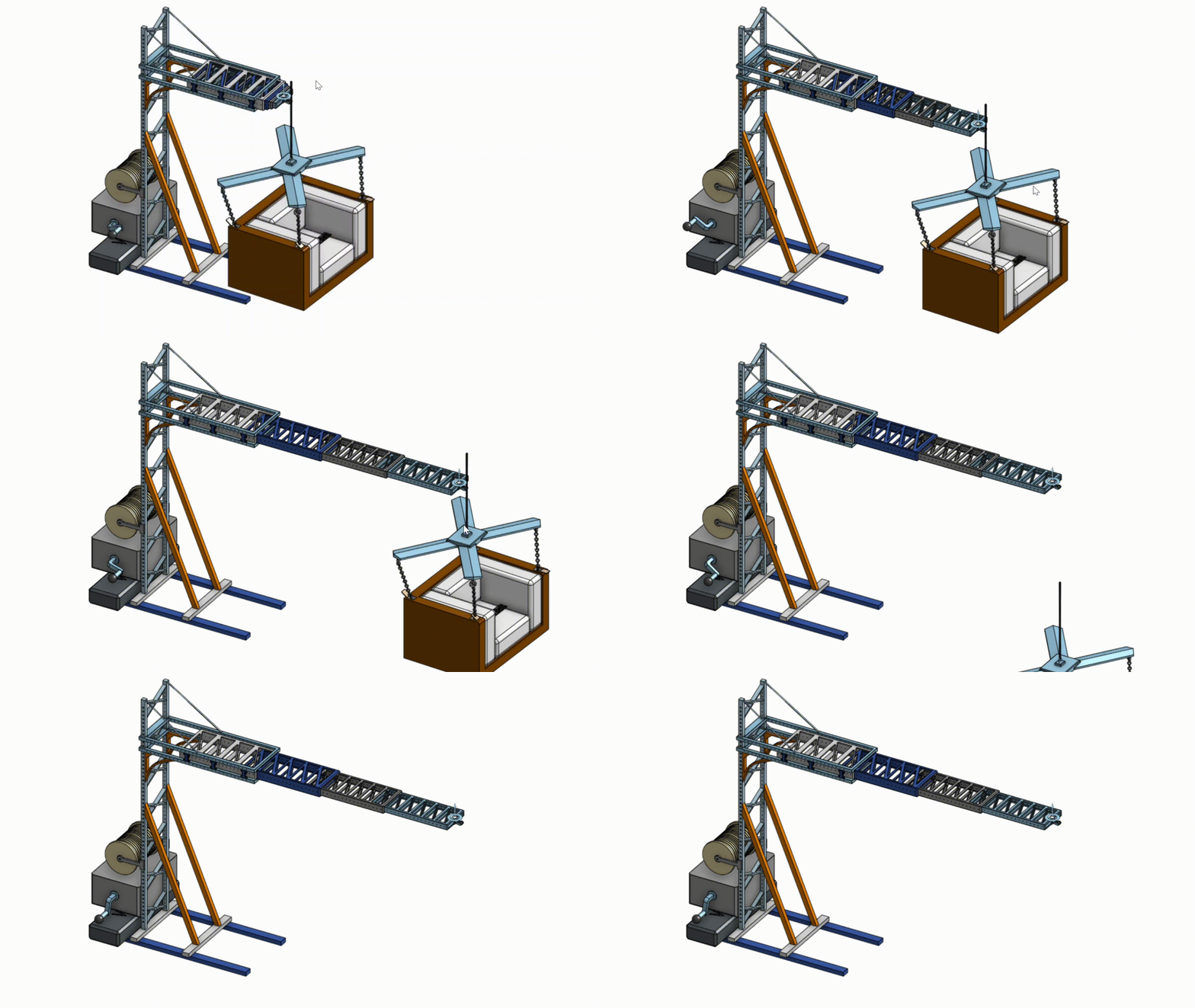
- Crane-Based System: A balcony-mounted crane arm gently lowers the occupant in a secured chair.
- Roller-Coaster Rail System: A motorized chair glides down a collapsible ladder while maintaining stability.
- Rack-and-Rail Pulley System: Patio furniture doubles as a rail-based evacuation chair with integrated safety features.
What We Learned
First real experience designing for accessibility and emergency use cases. Used morph charts and pairwise comparison to evaluate concepts, weighing safety vs. usability vs. cost. Turns out designing something that needs to work perfectly in a panic situation while looking like a chair is harder than it sounds.